
Your Fall HVAC & Plumbing Checklist
– By #Action Mechanical
Fall is the right time to make your home safer, warmer, and easier to manage before freezing weather arrives. For Rapid City home residents, a practical fall home maintenance checklist for HVAC and plumbing helps protect comfort, indoor air quality, water lines, drains, and equipment before the Black Hills winter sets in. Action Mechanical is here with an effective home maintenance checklist for fall.
Get Your Home Ready Before Black Hills Winter Arrives
Fall maintenance matters because small HVAC and plumbing issues can become urgent once temperatures drop, systems run longer, and water lines face freezing conditions. A furnace that only needs a filter today may become a no-heat call during the first cold snap, and a slow outdoor faucet drip can turn into a frozen pipe when winter settles over Rapid City.
Seasonal home care is not about making your house perfect. It is about finding weak spots early, improving efficiency, and reducing the chance of costly surprises. For new homeowners, the best approach is simple: walk through the home, check each system, write down what you see, and schedule professional help for anything that affects safety, combustion, drainage, or water pressure.
Your Complete Fall HVAC and Plumbing Checklist for Rapid City Homeowners

HVAC Preparation Checklist
- Replace or clean the air filter. Check the filter size, airflow direction, and condition. A clean filter helps airflow, supports indoor air quality, and reduces strain on the blower motor.
- Test the thermostat in heating mode. Set the thermostat several degrees above the room temperature and confirm that the heating system starts, runs steadily, and shuts off correctly.
- Check thermostat schedules. Adjust programs for fall routines, colder nights, and time away from home. Avoid large temperature swings that make the system work harder to recover.
- Inspect supply and return vents. Make sure rugs, furniture, pet beds, and curtains are not blocking airflow. Balanced airflow helps each room feel more even.
- Listen for unusual HVAC sounds. Rattling, grinding, booming, or high-pitched noises should be noted and discussed with a qualified technician.
- Look for weak airflow. If one room receives very little air, check for closed dampers, blocked registers, dirty filters, or duct issues.
- Clean around the furnace or air handler. Keep storage boxes, paint, chemicals, and laundry away from equipment to protect airflow and reduce fire risk.
- Inspect visible ductwork. Look for disconnected joints, loose tape, crushed flexible duct, or heavy dust buildup around seams.
- Check the furnace flame if visible. A steady blue flame is typical for many gas furnaces. Yellow flames, soot, or rollout signs require professional attention.
- Test carbon monoxide alarms. Replace batteries if needed and confirm alarms are installed near sleeping areas and fuel-burning equipment.
- Review humidifier settings. If your system has a whole-home humidifier, replace the pad if due, open the water supply, and set humidity conservatively to avoid window condensation.
- Clean the outdoor heat pump area. Remove leaves, weeds, and debris from around the unit while keeping proper clearance for airflow.
- Schedule a professional heating tune-up. A technician can check burners, electrical connections, safety controls, heat exchangers, blower components, refrigerant-related heat pump items, and system performance.
Plumbing Preparation Checklist
- Disconnect garden hoses. Remove hoses from outdoor spigots before freezing weather so trapped water does not damage the faucet or connected piping.
- Drain and shut off exterior hose bibs if equipped. If your home has interior shutoff valves, close them and drain the outside faucet.
- Install insulated faucet covers. Covers add protection during cold nights, especially on exposed sides of the home.
- Inspect exposed pipes. Check basements, crawl spaces, garages, and utility rooms for uninsulated water lines, leaks, corrosion, or loose supports.
- Insulate vulnerable pipes. Use proper pipe insulation on water lines in cold or drafty areas, especially near exterior walls.
- Seal cold air gaps. Close gaps around pipe penetrations, sill plates, vents, and utility openings where winter air can reach plumbing.
- Test main water shutoff access. Make sure everyone in the household knows where the valve is and that the area around it is clear.
- Check under sinks. Look for drips, swollen cabinet floors, mineral stains, loose supply lines, and slow drain signs.
- Flush rarely used drains. Run water in guest baths, floor drains, and basement fixtures to maintain trap seals and reduce sewer gas odors.
- Inspect the water heater area. Look for leaks, rust, soot, unusual sounds, or moisture around the tank, valves, or venting.
- Set the water heater temperature safely. Use a safe, practical setting for your household and avoid extreme temperatures that raise scald risk or waste energy.
- Test sump pump operation if present. Pour water into the pit to confirm the pump starts, drains, and shuts off. Check the discharge line for blockage.
- Clear gutters and downspouts. Direct water away from the foundation to reduce basement moisture and protect plumbing areas below grade.
- Prepare for travel. If leaving during winter, set heat high enough to protect pipes, open vanity doors in cold rooms, and consider shutting off water when appropriate.
If you run into any issues or are questioning what the heck you’re even looking at, contact our expert technicians!
What Should Homeowners Check First
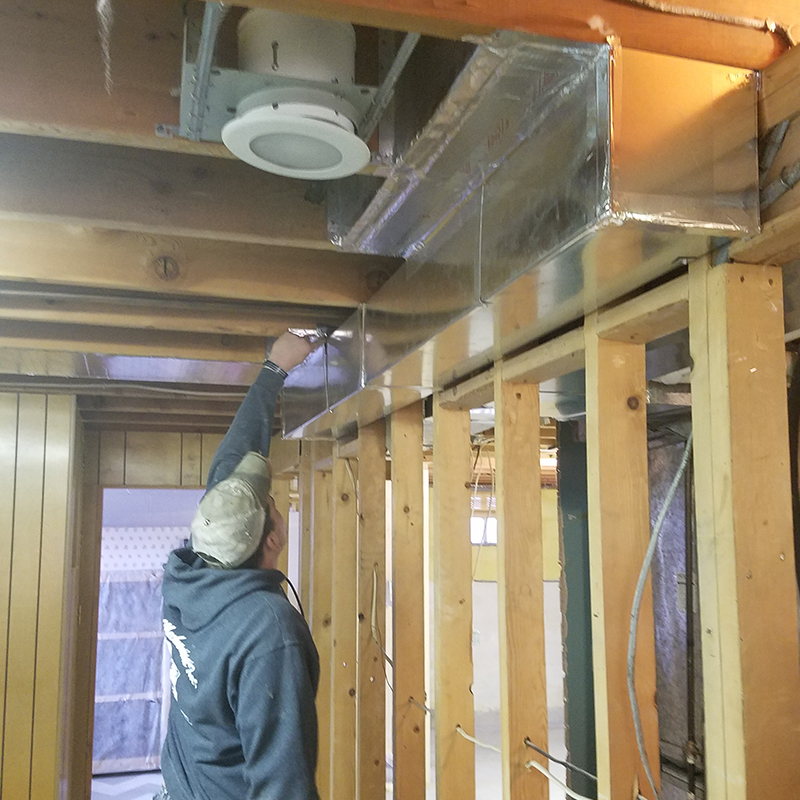
Being a new homeowner is exciting but it can also be daunting learning and dealing with all the typical maintenance nuances that come with owning a home - especially in the Black Hills area. Our team is here to offer expert local insights. New homeowners should first locate the critical controls: the thermostat, furnace switch, air filter slot, main water shutoff, water heater controls, gas shutoff, electrical panel, and exterior spigots. Knowing where these items are before a problem occurs makes every future home maintenance fall checklist easier and less stressful.
Start with the items that affect safety and freeze protection. Test carbon monoxide alarms, replace the HVAC filter, disconnect hoses, identify exposed pipes, and confirm the heating system runs before the first hard freeze. Then move to comfort items such as airflow, thermostat schedules, humidity, and room-by-room temperature balance.
A simple note system also helps. Keep a digital file or binder with filter sizes, service dates, equipment model numbers, warranty information, and photos of shutoff valves. If you schedule a regular maintenance visit, these details help the technician understand your home faster.
Rapid City Conditions that Affect HVAC and Plumbing
Rapid City homes can experience sharp seasonal changes, dry indoor air, wind exposure, and extended heating demand during a Black Hills winter. These conditions make both comfort and prevention important. A house that feels fine in September may reveal drafts, dry air, uneven heating, or vulnerable plumbing once cold weather arrives.
Older homes may have less insulation around rim joists, crawl spaces, and exterior-wall plumbing. Newer homes may still need airflow balancing, humidifier adjustment, or homeowner education on high-efficiency equipment. In either case, fall is the best time to notice patterns: which rooms cool down first, which faucets are on exterior walls, and where mechanical equipment needs clear access.
Rapid City home residents should also pay attention to moisture management. Snowmelt, poor drainage, and clogged gutters can send water toward foundations. That moisture can affect basements, sump pumps, indoor humidity, and long-term comfort.
HVAC Tasks that Improve Comfort and Air Quality
Good heating performance starts with airflow. When a filter is clogged or vents are blocked, the system may run longer while still leaving rooms uncomfortable. Replace the filter on schedule, keep returns open, and avoid closing too many supply registers, because forced-air systems need a stable path for air to move.
Indoor air quality also changes in fall. Windows close, pets spend more time indoors, and dust from summer activity can settle in ducts, filters, and living areas. Vacuum return grilles, dust registers, and use the filter type recommended for your system. A filter that is too restrictive can reduce airflow, so choose filtration that supports both cleanliness and equipment performance.
Humidity deserves special attention in winter. Air that is too dry can irritate skin, eyes, and throats, while air that is too humid can cause condensation on windows and cold surfaces. If you use a humidifier, make small adjustments and watch for moisture on glass or sills.
Winter Prep Plumbing Steps that Prevent Freeze Damage
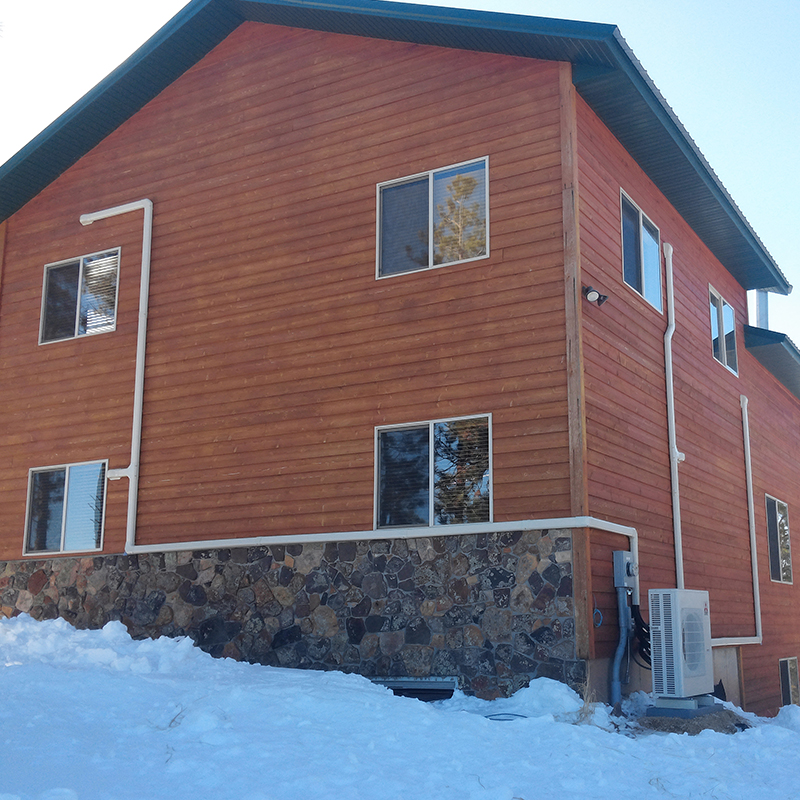
Winter prep plumbing begins outside. Hoses, irrigation connections, and exterior faucets are exposed first, so they should be disconnected, drained, and protected before cold weather becomes routine. Even frost-free spigots can be damaged if a hose stays attached and traps water.
Inside, focus on the coldest areas of the home. Pipes in crawl spaces, garages, unfinished basements, and cabinets on exterior walls need attention because they may not receive steady heat. Pipe insulation helps, but sealing drafts is just as important. Cold air moving through a small gap can freeze a pipe faster than a homeowner expects.
During severe cold, keep interior doors open to improve heat movement and open cabinet doors under sinks located on outside walls. If you suspect a pipe has frozen, avoid open flames or unsafe heating methods. Shut off water if needed and call a plumbing professional for guidance.
When in Doubt, Call Action Mechanical!
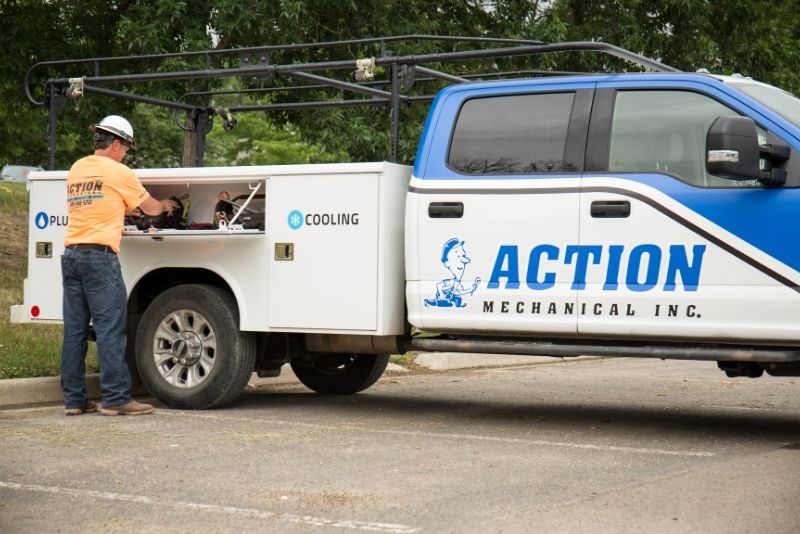
A strong fall home checklist maintenance plan protects comfort, health, and peace of mind before winter pressure arrives. For Rapid City home residents, the most important steps are simple: service the heating system, protect exterior and exposed plumbing, manage airflow and humidity, and know where shutoff controls are located.
Use this home maintenance checklist for fall as your seasonal guide. If you face a task that affects safety or you are unsure what you are seeing, bring in Action Mechanical, your qualified HVAC and plumbing professional in Rapid City before the Black Hills winter tests the system for you.
Last Modified:
