
Why Your Energy Bills Spike in Winter
– By #Action Mechanical
Winter utility bills can rise quickly because your home is working harder to replace heat that escapes through walls, windows, attic spaces, ducts, and normal air leaks. For a new homeowner, the cause is rarely just one setting on the thermostat; it is usually a combination of HVAC efficiency, insulation quality, duct condition, equipment age, and daily habits. The good news is, with Action Mechanical, quality maintenance, targeted repairs, and the right HVAC upgrade can help lower energy bills while keeping your home healthier and more comfortable.
Why Do Heating Costs Rise So Much During Winter?
Heating costs rise in winter because the temperature difference between indoors and outdoors becomes larger, so your system must run longer to maintain comfort. If the furnace, boiler, heat pump, thermostat, ductwork, or home envelope is not performing well, every hour of run time costs more than it should. Basically, your home is losing heat faster, and your heating system may be using extra energy to make up the difference.
In a climate like Rapid City and the Black Hills area, long cold stretches can expose weak spots that are easy to miss in fall. A slightly dirty filter, a loose duct connection, or thin attic insulation may not feel urgent on a mild day. During a cold snap, however, those issues can turn into high heating bills, uneven rooms, noisy equipment, and a furnace that seems to run without catching up.
The Main Causes of Winter Energy Waste
A heating system is only one part of winter energy efficiency. Think of your home as a complete comfort system: equipment produces heat, ducts or pipes distribute it, insulation helps hold it, and controls tell the system when to run. When one part struggles, the others compensate.
Common causes of winter energy waste include:
- Dirty or restricted airflow: A clogged filter makes a forced-air system work harder. It can also reduce comfort because less warm air reaches the living space.
- Leaky or poorly insulated ducts: The U.S. Department of Energy notes that duct leaks, holes, and poor connections can waste a meaningful share of conditioned air before it reaches the rooms you use. Sealing and insulating ducts is often an important part of energy bill reduction.
- Weak insulation and air leaks: If warm air escapes through the attic, rim joists, doors, or windows, the heating system must replace that lost heat again and again.
- Outdated heating equipment: Older furnaces, boilers, or heat pumps may have worn components, outdated controls, or lower efficiency than current options.
- Thermostat problems: A poorly located, inaccurate, or outdated thermostat can cause short cycling, overheating, or unnecessary run time.
- Deferred maintenance: Small issues, such as worn ignition parts, dirty burners, failing blower components, or poor calibration, can reduce performance over time.
For technicians, this is also a useful way to explain the issue to clients. The bill is not only about the equipment’s rating; it is about the relationship between load, distribution, controls, and maintenance.
Are Energy Bills Usually Higher During Summer or Winter?
Energy bills can be higher in summer or winter depending on your climate, fuel type, home construction, thermostat settings, and equipment condition, but in climates that experience colder conditions like the Black Hills, winter often creates a larger heating load. A home with gas heat may see a sharp winter gas bill, while a home with heavy air-conditioning use may peak in summer. The primary question is not only “are energy bills higher in summer or winter?” but “which season reveals my home’s biggest efficiency weakness?”
In winter, the weakness is often heat loss. If your upstairs rooms are chilly, the basement is cold, and the furnace runs frequently, your home may need a combined plan: HVAC maintenance, duct inspection, air sealing, and insulation improvements.
How HVAC Upgrades Reduce Winter Energy Costs
An HVAC upgrade can lower energy costs during winter by helping your system produce and deliver heat with less waste. This may involve replacing an aging furnace, upgrading a boiler, installing a properly matched heat pump, adding a modern thermostat, improving ductwork, or correcting comfort problems that make homeowners turn the thermostat higher than necessary.
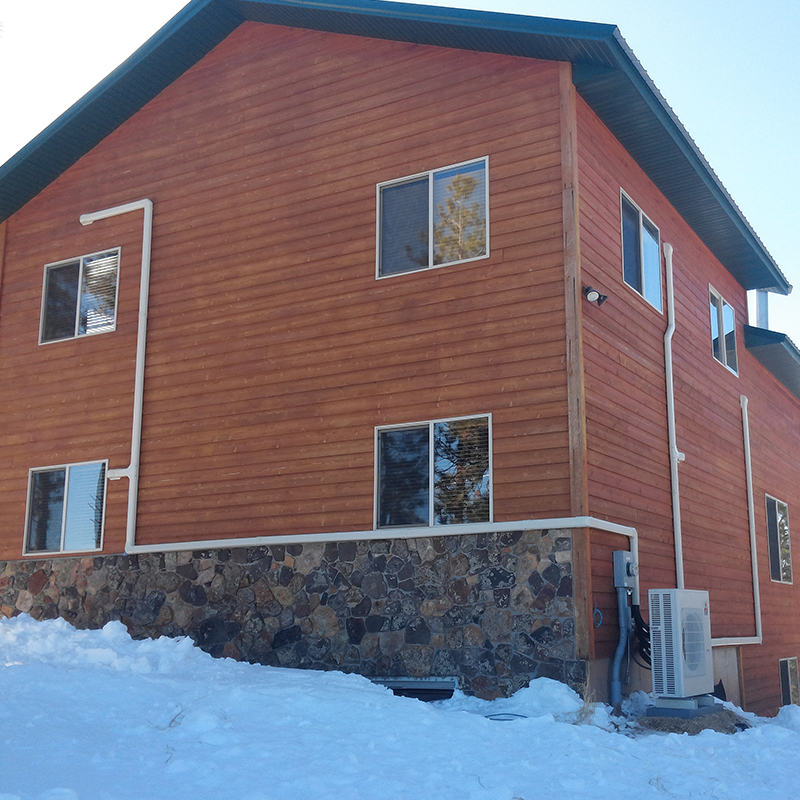
For example, a new or properly repaired furnace can heat more reliably, while better controls can reduce unnecessary run time when you are asleep or away. Duct improvements help more heat reach the rooms where it belongs. Boiler service or replacement may improve consistency in homes with radiant heat. Mini-splits can also support targeted comfort in certain spaces, especially rooms that are difficult to heat through existing ductwork.
For homeowners researching HVAC efficiency or looking for an HVAC upgrade in Rapid City and the Black Hills area, the key is to avoid choosing equipment in isolation. The system should be sized and installed for the home, not guessed from the old unit. Our heating services include furnace repair, new furnace installation, radiant heating maintenance, thermostat installation, sheet metal and ductwork, mini-splits, and residential boiler installation, repair, and ongoing, preventative maintenance.
Winter Energy Tips That Make a Real Difference
The best winter energy savings usually come from a mix of low-cost habits, routine service, and smart upgrades. Start with the items you can control now, then schedule professional help where safety, combustion, refrigerant, electrical, or ductwork issues may be involved.
Use this checklist to reduce energy costs winter after winter:
1. Replace or clean filters on schedule. Check them more often during heavy use, especially if you have pets, remodeling dust, or high household traffic.
2. Set the thermostat with a routine. Lowering the setpoint when sleeping or away can reduce heating use when done safely for your system and household needs. Programmable and smart thermostats can make this easier.
3. Seal obvious air leaks. Weatherstrip doors, seal gaps around penetrations, and use appropriate caulk or foam where drafts enter.
4. Look at attic insulation. Thin or disturbed insulation can make ceilings cold and increase heat loss.
5. Keep vents and returns clear. Furniture, rugs, and storage items can restrict airflow and create uneven temperatures.
6. Pay attention to short cycling. Frequent starts and stops may point to airflow, thermostat, sizing, or mechanical problems.
7. Schedule preventive maintenance. A trained technician can clean, inspect, test, and adjust the system before small problems become expensive failures.
8. Ask about duct condition. Leaks, crushed runs, and poor connections can reduce comfort even when the furnace itself is working.
These winter energy tips are simple, but they work best as a routine. Homeowners should keep a small maintenance calendar for filters, thermostat checks, humidity concerns, and seasonal service. That habit helps prevent surprises and gives technicians better information if a problem appears.
When to Call Action Mechanical

If your home has persistent cold rooms, unusual furnace noises, rising bills without a clear usage change, weak airflow, frequent cycling, burner or ignition trouble, or a system that cannot keep up in normal winter weather, it’s time to call Action Mechanical. Schedule a service with our team of HVAC pros before replacing equipment on guesswork. Sometimes a repair, thermostat correction, duct adjustment, or maintenance visit solves the problem; other times an upgrade is the more practical long-term option.
We encourage homeowners not to make that decision alone. We are proud to provide residential heating support, routine maintenance, furnace repair, boiler services, ductwork, thermostat installation, and 24/7 emergency service for residential and commercial needs. We also offer maintenance agreements intended to help systems continue operating at peak performance.
Keep Your Home Warm and Cozy

To reduce heating costs, start by improving the basics: airflow, controls, insulation, air sealing, and maintenance. Then look at the larger picture. If your equipment is outdated, unreliable, or poorly matched to the house, a thoughtful HVAC upgrade may deliver better comfort and lower energy use throughout the heating season.
High heating bills are a signal, not just an expense. They tell you your home is asking for attention. If you are in the Rapid City or Black Hills area and want help finding the most beneficial solution, contact Action Mechanical, request service, or call 605-348-5212 to schedule an appointment and take action before the next cold night. #TakeAction
Last Modified:
