
5 Warning Signs Your Furnace Won’t Make It Through Winter
– By #Action Mechanical
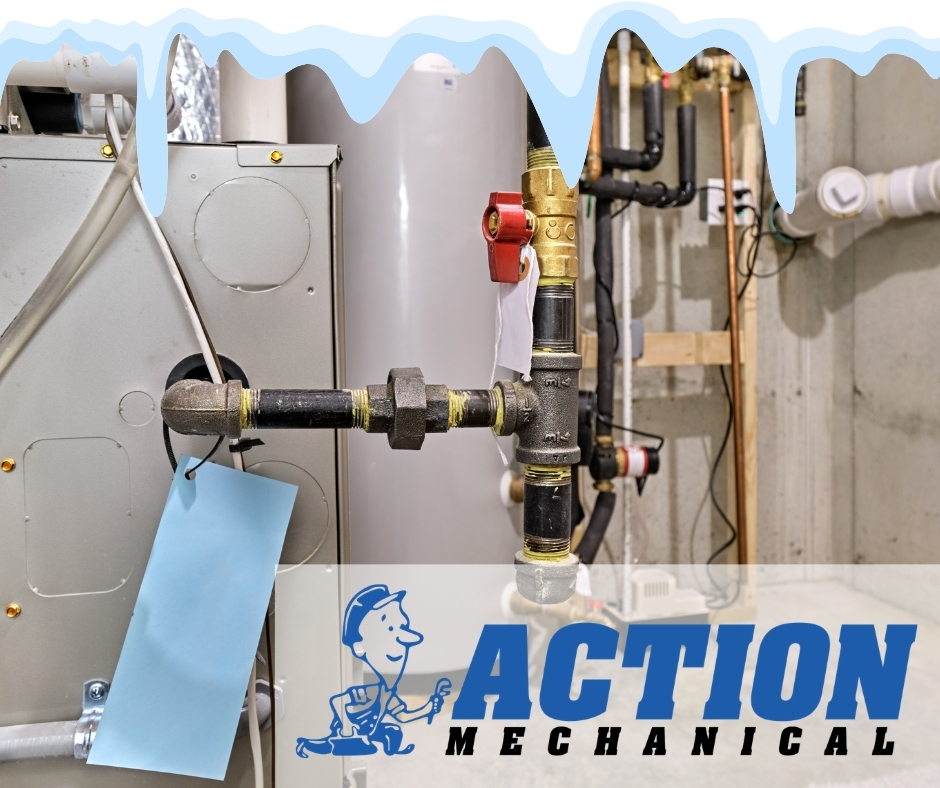
A furnace rarely quits without giving you clues first. The warning signs your furnace won’t make it through winter often show up as strange noises, uneven heat, rising bills, or short bursts of operation that seem easy to ignore until the first hard cold snap arrives. Taking action before winter helps protect comfort, indoor air quality, and the safety of your home.
For new homeowners, the furnace can feel like one more complicated system on a long maintenance list. For HVAC technicians, these same furnace warning signs are useful teaching moments that help customers understand why early service is more than a convenience. When a heating system is already struggling, waiting can turn a repairable problem into a full mid-winter failure.
How Can You Tell If Your Furnace is at Risk Before Winter Hits?
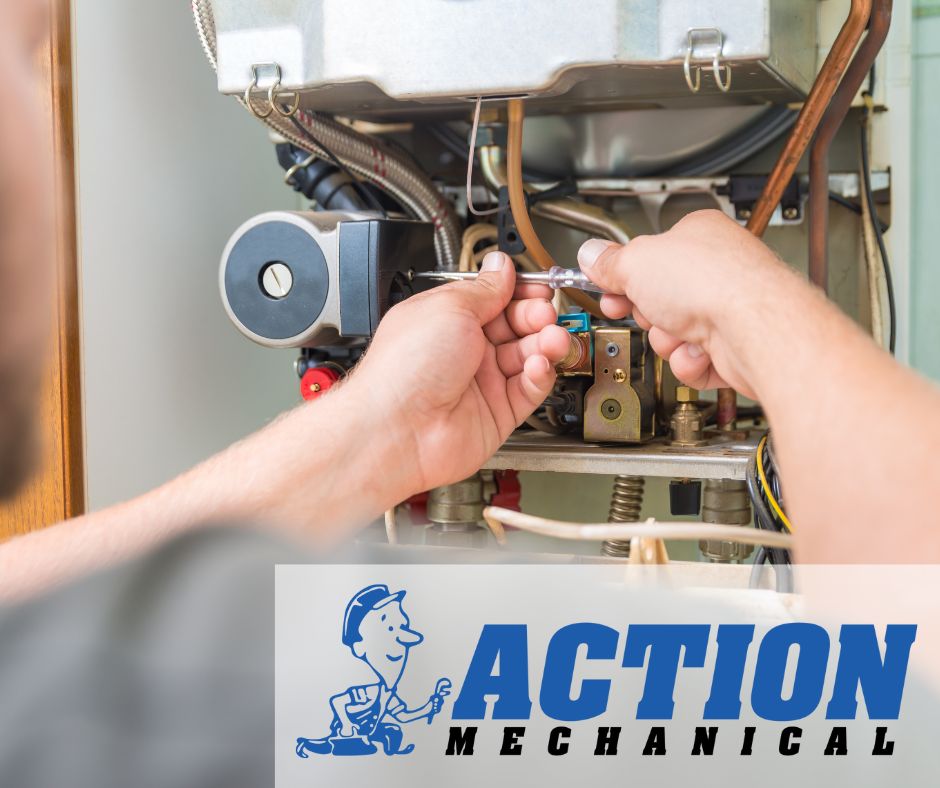
You can tell your furnace may be at risk when it no longer heats evenly, runs in unusual cycles, makes new sounds, gives off odd smells, or causes a sudden change in utility costs. These signs do not always mean the system is beyond repair, but they do mean the furnace needs attention before it is forced to run every day. Winter HVAC prep is most effective when you act while the system still works, not after it shuts down.
Think of your furnace as a home comfort engine. During mild weather, a weak part may only cause small performance problems. During a long stretch of cold weather, that same weak part may fail completely because the system has to run harder and longer.
A pre-winter service or regular maintenance checkup gives our team the chance to inspect ignition components, airflow, burners, electrical connections, venting, controls, and safety devices. If you’re searching for heater repair in Rapid City before temperatures drop, scheduling early gives you more control over timing and reduces the chance of an emergency call when demand is highest. Let’s get into it…
1. Uneven Heating from Room to Room
Uneven heating is one of the most common signs that a furnace is struggling. You may notice that the living room feels comfortable while bedrooms stay cold, or that one level of the home never reaches the thermostat setting. This can happen when airflow is restricted, ducts are leaking, filters are clogged, or the furnace is no longer producing steady heat.
New homeowners often assume uneven heat is just part of living in an older or unfamiliar house. Sometimes it is related to insulation, window quality, or room layout. However, if the pattern is new or getting worse, the furnace deserves attention.
Start with simple home furnace maintenance tips. Replace or check the air filter, make sure supply vents are open, and confirm that furniture or rugs are not blocking airflow. If those steps do not improve comfort, the issue may involve blower performance, duct balance, thermostat location, or a deeper mechanical problem.
Ignoring uneven heating can push the system into longer run times. Longer run times add wear, increase energy use, and may still leave parts of the home uncomfortable. Before winter sets in, have the system inspected so small comfort problems do not become a total heat loss when you need the furnace most.
2. Strange Noises During Startup or Operation
A healthy furnace is not silent, but it should operate with a fairly steady sound. Banging, scraping, squealing, rattling, buzzing, or repeated clicking can point to loose parts, motor strain, ignition trouble, blower issues, or expanding metal. The important detail is change: if the sound is new, louder, or more frequent, treat it as a warning.
Some noises may seem minor at first. A belt or bearing can squeal before it fails. A loose panel can rattle before it causes additional vibration. Ignition trouble may begin as delayed startup and later become a no-heat situation.
This is where practical furnace repair advice matters: do not keep restarting the system over and over to “see if it clears up.” Repeated cycling may place extra stress on components and can hide the original symptom from the person trying to diagnose it. Instead, note when the sound occurs, where it seems to come from, and whether it happens at startup, shutdown, or throughout the heating cycle.
Then schedule a service. Action Mechanical can help homeowners evaluate concerning furnace noises and determine whether the issue requires repair, cleaning, adjustment, or further diagnosis. Learn more or request help here!
3. Short Cycling or Constant Running
Short cycling means the furnace turns on and off frequently without completing a normal heating cycle. Constant running is the opposite problem: the system keeps working but never seems to satisfy the thermostat. Both patterns are furnace warning signs because they show the equipment is not matching your home’s heating needs in a healthy way.
Short cycling may be linked to thermostat problems, airflow restrictions, overheating, dirty filters, or equipment that is not operating correctly. Constant running may point to heat loss in the home, poor airflow, burner issues, or a furnace that can no longer keep up. Either way, the system is using energy without delivering dependable comfort.
Use this quick checklist before calling for help:
- Confirm the thermostat is set to heat and the temperature setting is reasonable.
- Replace a dirty filter with the correct size and type.
- Check that return and supply vents are open and unobstructed.
- Look for obvious drafts around doors, windows, and attic access points.
- Make note of how long the furnace runs before it shuts off.
If the behavior continues, do not wait until the first severe cold spell. Cycling problems can strain motors, controls, and heat-producing components. Early diagnosis may prevent a full system shutdown and can help restore steady, efficient operation.
4. Rising Energy Bills without Better Comfort
A higher heating bill is expected when the weather gets colder, but a sharp increase without improved comfort deserves attention. If the furnace is running longer, starting more often, or struggling to heat the same spaces, it may be losing efficiency. Dirt buildup, clogged filters, poor airflow, aging components, and burner problems can all make the system work harder than necessary.
This is where furnace efficiency tips become more than a way to save money. Efficiency is also a clue about system health. A furnace that wastes energy often creates extra heat inside the equipment, uneven temperatures in the home, and added stress on moving parts.
Practical furnace care tips include changing filters on a regular schedule, keeping the area around the furnace clear, sealing obvious air leaks where appropriate, and using a thermostat setting that avoids extreme swings. These steps support the system, but they do not replace professional service when performance has already changed.
If your bills are rising and your home still feels chilly, schedule a maintenance or repair visit before winter demand peaks. A seasoned local technician can check whether the furnace is burning, venting, and moving air properly. That visit may identify a small repair before it becomes an urgent no-heat call.
5. Unusual Smells or Poor Indoor Air Quality
A light dusty smell can be normal the first time a furnace runs after months of sitting idle. Persistent odors are different. A burning smell, musty odor, electrical smell, or any smell that seems unusual should be taken seriously, especially if it continues after the system has run for a short time.
Poor indoor air quality may also show up as extra dust, dry irritation, stale air, or more noticeable allergy-like discomfort. Your furnace affects more than temperature. It moves air through filters, ducts, and living spaces many times each day during heating season.
If you ever suspect a gas leak or combustion safety issue, leave the home and contact the proper emergency or utility service right away. For non-emergency odors and air quality concerns, schedule HVAC service with Action so the source can be checked. The cause may involve dust buildup, a dirty filter, moisture in the duct system, electrical components, or venting concerns that require professional attention.
What Maintenance Should Be Done Before Cold Weather Arrives?
Before cold weather arrives, your furnace should be inspected, cleaned where needed, tested for safe operation, and supported with basic homeowner care. Preventive furnace maintenance tips work best when they combine professional service with simple habits you can repeat through the season. The goal is to reduce breakdown risk before the furnace becomes essential every day.
Use this pre-winter routine:
- Schedule professional maintenance early. A trained technician can inspect critical parts, test operation, and identify signs of wear before cold weather creates urgency.
- Replace or inspect the filter. A dirty filter restricts airflow, reduces comfort, and can contribute to overheating or short cycling.
- Clear the furnace area. Keep storage, boxes, chemicals, and clutter away from the equipment to support airflow and safer access.
- Test the thermostat. Turn the heat on before winter and make sure the system starts, runs, and shuts off as expected.
- Listen and observe. Pay attention to sounds, smells, cycle length, and room comfort during the first few heating cycles.
- Do not postpone small problems. A minor symptom in fall can become a complete failure in January.
For homeowners in and around Rapid City, Action Mechanical can support winter HVAC prep, furnace service, and heater repair needs before a small warning sign becomes a cold-weather emergency.
When to Call Action
Call Action Mechanical when a furnace symptom is new, repeated, getting worse, or connected to safety concerns. You should also call if basic steps like replacing the filter, opening vents, and checking thermostat settings do not solve the issue. Furnaces combine fuel, electricity, airflow, heat, and safety controls, so guessing can create more risk than relief.
A good service visit is not just about fixing today’s problem. It helps you understand the condition of the system, what should be watched, and what repairs may be urgent. For a new homeowner, that knowledge builds confidence. For a technician, clear explanation builds trust and helps customers make informed decisions.
If your furnace is showing any of the warning signs above, do not wait for a full breakdown. Contact Action Mechanical for service information, scheduling, and support with heater repair in Rapid City. Acting now can help protect your comfort, your home, and your peace of mind through the heating season.
Stay Warm Rapid City :)
The best time to deal with furnace trouble is while the system is still running. Uneven heat, strange noises, poor cycling, rising bills, and unusual smells are early signals that winter may expose a larger problem. With timely maintenance, careful observation, and qualified repair support, you can reduce the risk of full failure and keep your home warmer, healthier, and more dependable when cold weather arrives.
Last Modified:
