HVAC Repair vs Replacement: A Clear Decision Guide
– By #Action Mechanical

Deciding between HVAC repair vs replacement is easier when you look at the system’s age, repair history, comfort performance, energy use, and your plans for the property. In Rapid City, SD, where homes can face harsh winter nights, hot summer days, and fast weather swings, the right decision should protect comfort without wasting money. This guide explains practical HVAC system repair vs replacement signs, what to check first, and when to call Action Mechanical for professional heating and cooling system installation, repair, and maintenance.
Should You Repair or Replace HVAC Equipment?
You should repair HVAC equipment when the problem is isolated, the system is still within a reasonable service life, comfort is consistent, and the repair cost makes sense compared with replacement. You should consider replacement when breakdowns are frequent, the unit is older, major components are failing, energy bills keep climbing, or your home never feels comfortable even after service.
The best repair vs replace HVAC decision is not based on age alone. A well-maintained furnace or air conditioner may still have useful life left, while a neglected system can become expensive long before expected. The key is to compare what the repair will solve today with what the system is likely to cost you over the next few seasons.
Action Mechanical’s licensed professionals help homeowners and businesses in Rapid City, the Black Hills area, and Chadron evaluate that full picture. Whether you need furnace installation and repair, air conditioning service, custom sheet metal and ductwork, thermostats, boilers, mini-splits, or preventative maintenance, the goal is the same: dependable comfort and a solution that fits the building.
A Repair vs Replace Decision Checklist
Use this checklist before committing to another repair or a full HVAC upgrade. It will not replace an on-site diagnosis, but it can help you ask better questions.
Repair may be the better choice if:
- The system has had few problems and has been maintained regularly.
- The issue is minor, such as a capacitor, thermostat setting, clogged filter, or simple electrical repair.
- Comfort is still even throughout the home or business.
- Your energy bills have not changed much outside normal seasonal use.
- The equipment is not near the later stage of its typical HVAC system lifespan.
- You plan to move soon and the system is safe, functional, and serviceable.
Replacement may be worth serious consideration if:
- You have paid for repeated repairs in recent seasons.
- A major component has failed, especially on older equipment.
- Some rooms are consistently too hot or too cold.
- The system runs constantly, short cycles, or struggles during extreme weather.
- You notice rising energy use without a clear reason.
- Replacement parts are difficult to source or no longer practical.
- Your current system was poorly sized, poorly installed, or connected to inefficient ductwork.
If several replacement signs apply, a professional HVAC replacement guide can save you from guessing. Action Mechanical can inspect the equipment, ductwork, airflow, controls, and maintenance history so you understand the real options before making a decision.
Important HVAC Troubleshooting Steps
Before assuming the worst, start with the basics. Many “my HVAC is dying” moments are actually airflow, control, or maintenance issues. A clear HVAC troubleshooting guide begins with safe, simple checks, then moves quickly to professional service when the issue involves electrical components, refrigerant, gas, combustion, or repeated failures.
Start with these homeowner-friendly checks:
- Check the air filter. A dirty filter can restrict airflow, reduce comfort, cause short cycling, and make the system work harder than necessary.
- Confirm thermostat settings. Make sure the system is set to heating or cooling, the fan setting is appropriate, and the schedule has not changed unexpectedly.
- Look at vents and returns. Blocked registers, furniture over returns, or closed vents can throw off airflow and comfort.
- Inspect the outdoor unit. For cooling systems and heat pumps, clear leaves, snow, debris, and obstructions around the unit.
- Listen and smell. Grinding, banging, burning odors, gas smells, or electrical odors mean it is time to stop troubleshooting and call a professional.
- Check the pattern. One unusual day may be weather-related. Repeated shutdowns, weak airflow, or uneven temperatures point to a deeper problem.
These steps help you separate a simple maintenance issue from a larger performance concern. If the system still does not operate properly, do not keep resetting breakers or forcing the unit to run. Call Action Mechanical to schedule service, and if the issue is urgent, use our 24/7 emergency service so an on-call plumbing or heating professional can help determine the right response.
When Is It Worth Upgrading Your HVAC System?
It is worth upgrading your HVAC system when replacement gives you more value than another repair: better reliability, improved comfort, safer operation, higher efficiency, and fewer surprise breakdowns. For many homeowners, the tipping point comes when an older system needs a major repair and still cannot deliver consistent heating or cooling.
In the Rapid City area, the local climate matters. A furnace that barely keeps up during cold snaps or an air conditioner that cannot manage a hot summer stretch is not just inconvenient. It can affect sleep, productivity, indoor air quality, and the ability to use your home comfortably.
Upgrading may also make sense when your home has changed. Finished basements, additions, remodeled rooms, new windows, or ductwork changes can affect load and airflow. Replacing equipment without evaluating those details can leave you with the same comfort complaints in a newer box, which is why professional sizing and installation matter.
Costs Are More Than the Repair Invoice
Many people search for HVAC replacement costs hoping for one simple number. In reality, costs depend on system type, equipment size, efficiency level, ductwork condition, installation complexity, controls, accessibility, and whether the project includes heating, cooling, or both. A fair estimate should explain what is included, not just show a bottom-line price.
Think in terms of total cost of ownership. A cheap repair may be the right move if it keeps a reliable unit running. But if that repair is one of many, or if the system continues to waste energy and struggle with comfort, replacement may be the more practical long-term choice.
Consider these cost questions:
- How much have you spent on HVAC repairs in the last two to three years?
- Is the current repair minor or a major component replacement?
- Will this repair restore dependable performance, or only buy time?
- Are high utility bills tied to system age, duct leakage, or poor airflow?
- Would new equipment require ductwork, sheet metal, thermostat, or electrical updates?
- Are maintenance agreements or financing options available to help plan the investment?
Action Mechanical offers maintenance agreements for residential and commercial customers, and financing options are available for qualifying repair and replacement needs. If budget is a concern, ask about options before delaying essential work. Comfort, safety, and reliable operation are worth planning around.
Maintenance Can Change the Answer
Good maintenance often makes repair the smarter decision because it keeps equipment cleaner, safer, and easier to evaluate. Without maintenance, small issues can become costly repairs, and the system may appear “old” when it is actually starved for airflow or overdue for service.
Action Mechanical recommends regular preventative maintenance for heating and cooling systems. Our maintenance agreements can include filter changes, pressure checks, water heater flushes, and other inspections that help preserve equipment life and catch potential problems before they become emergencies.
Action Mechanical recommends regular preventative maintenance for heating and cooling systems. Our maintenance agreements can include filter changes, pressure checks, water heater flushes, and other inspections that help preserve equipment life and catch potential problems before they become emergencies.
Practical HVAC maintenance tips include:
- Replace or clean filters on a consistent schedule.
- Keep outdoor equipment clear of weeds, leaves, snow, and debris.
- Schedule seasonal service before peak heating or cooling demand.
- Do not ignore new noises, odors, or performance changes.
- Keep supply and return vents open and unobstructed.
- Ask your technician about ductwork if rooms heat or cool unevenly.
- Keep maintenance records so repair vs replace decisions are based on history, not memory.
Maintenance will not make every system last forever, but it gives you better choices. A documented service history helps a technician identify whether a problem is unusual, recurring, or part of an aging pattern.
Local Installation Quality Matters
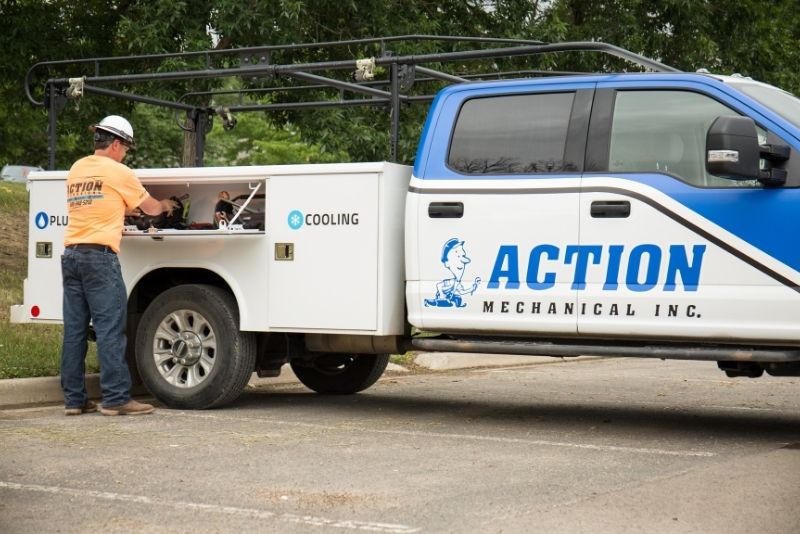
A new HVAC system is only as good as its design, installation, airflow, and maintenance plan. Oversized equipment can short cycle. Undersized equipment can run constantly. Poor ductwork can waste conditioned air and create hot or cold rooms even when the furnace or air conditioner is working.
That is why Action Mechanical’s services go beyond swapping equipment. For residential cooling, our team offers air conditioning installation and service, custom sheet metal and ductwork, and preventative maintenance. For heating, services include furnace installation and repair, radiant heating, thermostat installation, ductwork, maintenance, and emergency services. Commercial customers can also turn to Action Mechanical for HVAC, plumbing, boilers, drain cleaning, sewer cleaning, and related mechanical services.
If you are deciding when to replace HVAC system components, ask whether the full system supports the new equipment. Sometimes the best investment is not just a replacement unit. It may include duct improvements, a thermostat upgrade, better filtration, or a maintenance plan that keeps performance steady.
A Simple Way to Make the Final Call
Use this three-step process when the decision still feels uncertain.
- Diagnose first. Get a professional inspection so you know what failed, why it failed, and whether the rest of the system is healthy.
- Compare realistic options. Ask for the repair path, the replacement path, and what each means for comfort, reliability, efficiency, and future service.
- Choose for the next several seasons. If a repair restores dependable operation, it may be enough. If replacement prevents repeated problems and improves comfort, upgrading may be the better value.
This approach keeps the decision practical instead of emotional. No one wants to replace a system too early, but no one wants to keep paying for a unit that is clearly on its way out.
Get Help Before the Next Extreme Weather Day Hits
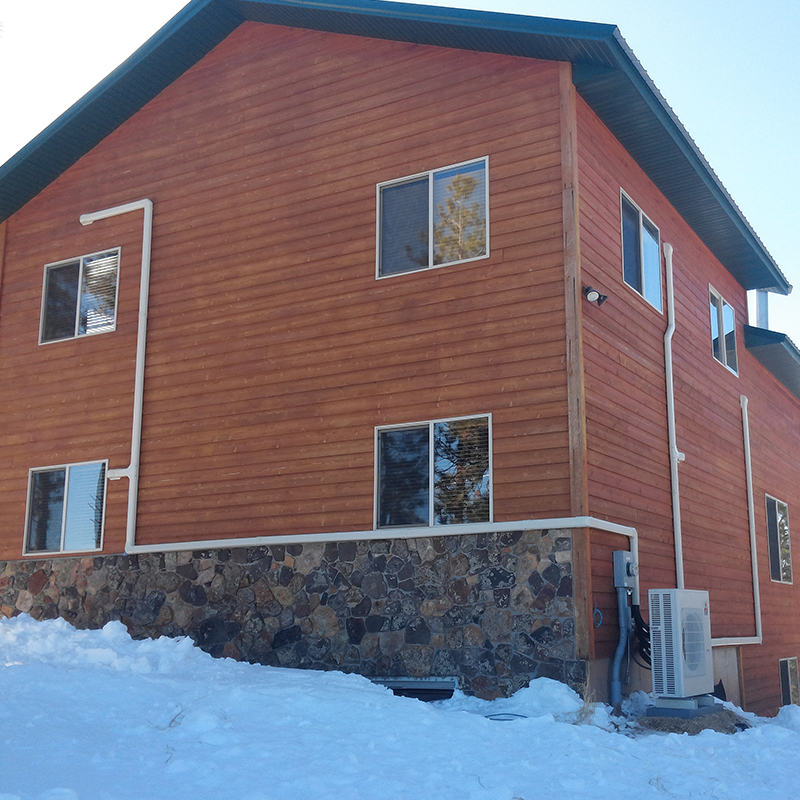
The best time to make a repair vs replace decision is before your system fails completely. If your furnace, boiler, air conditioner, mini-split, or heat pump is showing warning signs, Action Mechanical can help you sort through the options with clear guidance and dependable service.
For general information, quotes, or service scheduling, request service or call Action Mechanical at 605-348-5212 during regular business hours. Emergency service is available 24/7 for residential and commercial needs. If you are not sure whether the issue is urgent, call and let a professional help you decide. #TakeAction
Last Modified:
